CN
  • Consumer Electronics
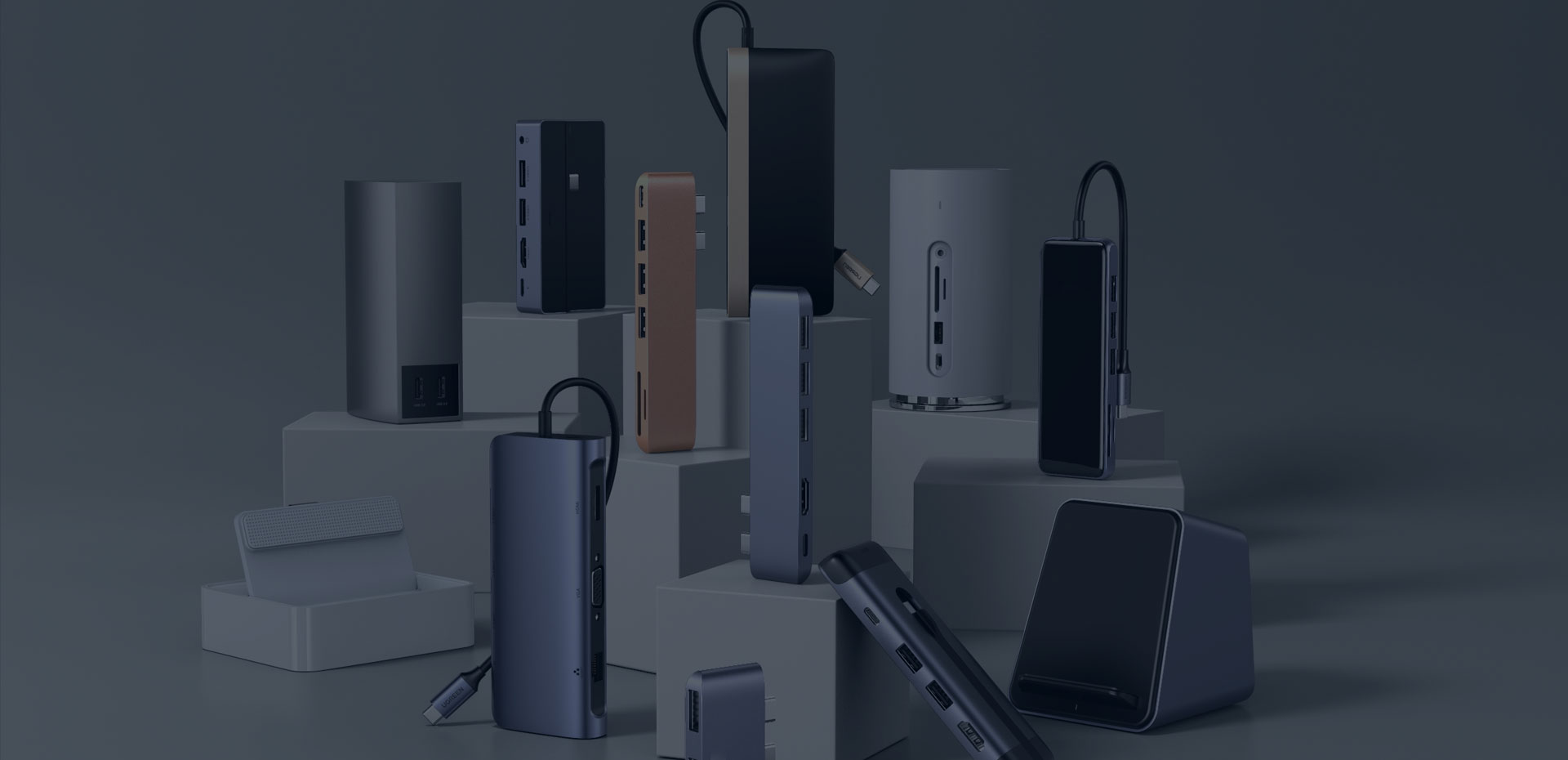
    Applied in devices such as smartphones, laptops, and drones. It efficiently absorbs electromagnetic waves, suppressing electromagnetic interference (EMI) to ensure signal stability, while also reducing the impact of electromagnetic radiation on the human body, thus meeting environmental protection standards. Within internal structures, it is commonly used around antennas, circuit boards, and battery compartments. Additionally, it optimizes heat dissipation, facilitates miniaturization and slim design, and enhances user experience and device reliability.
  • Communication
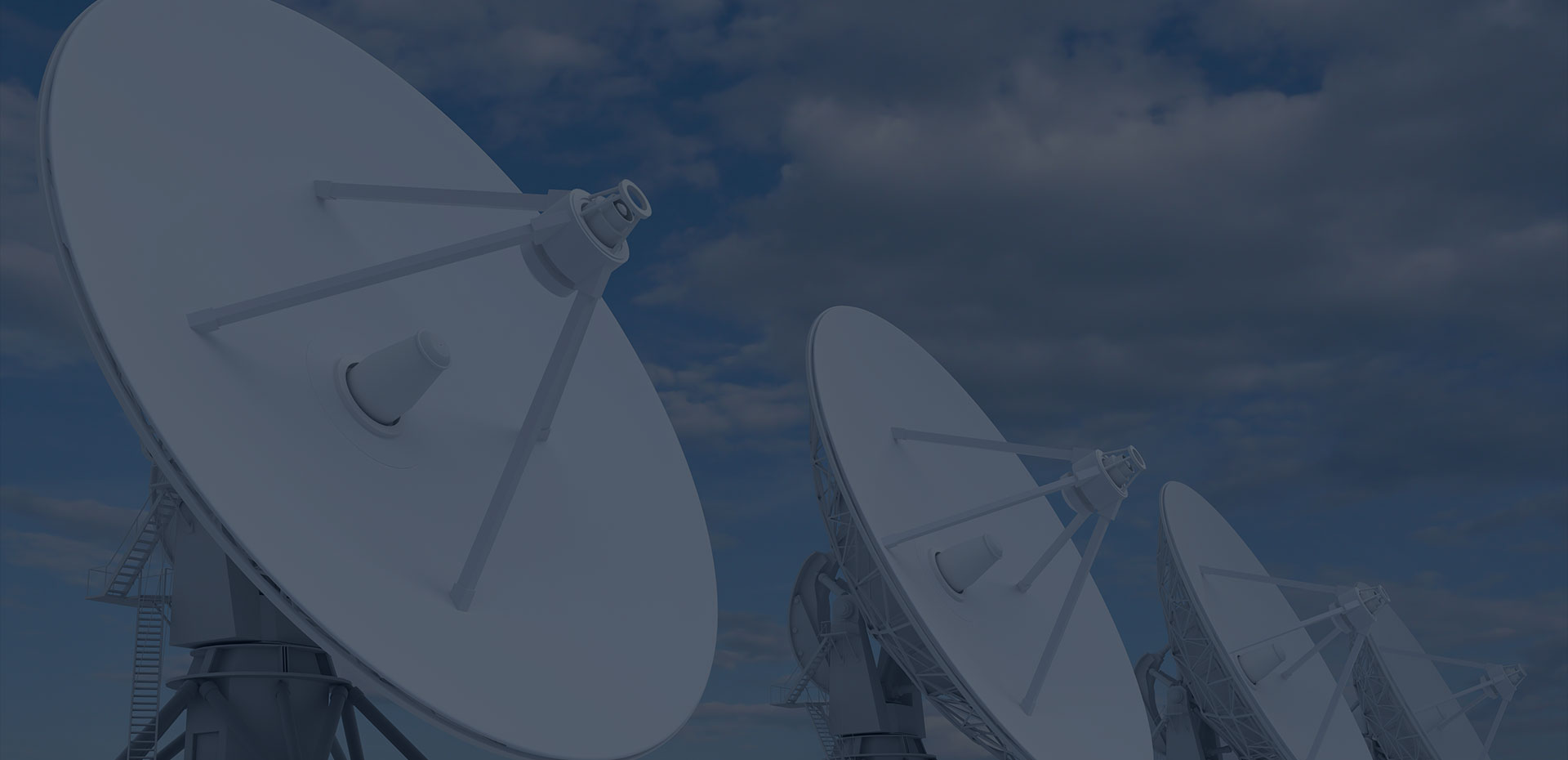
    Applied in equipment such as base stations, satellites, routers, and RF modules. It efficiently absorbs stray electromagnetic waves, suppressing electromagnetic interference (EMI) to ensure the stability and purity of signal transmission. Simultaneously, it reduces electromagnetic wave reflection, optimizes antenna radiation patterns, and enhances communication coverage and transmission rates. Deployed at critical locations such as device cavities, antenna peripheries, and transmission links, it also minimizes electromagnetic radiation leakage, meeting electromagnetic compatibility (EMC) standards and facilitating the development of communication devices toward higher frequencies, miniaturization, and superior performance.

  • Security
    Applied in scenarios such as surveillance equipment, radar detection, and confidential facilities. It absorbs ambient stray electromagnetic waves, suppressing electromagnetic interference (EMI) to ensure the accuracy of signal acquisition for devices like monitoring cameras and infrared detectors; when deployed in confidential computer rooms and security check areas, it blocks electromagnetic leakage, preventing information eavesdropping; used for radar stealth camouflage, it reduces the target's radar cross-section, enhancing the concealment and anti-interference capability of security monitoring, while meeting electromagnetic compatibility (EMC) standards to build a robust protective barrier for the stable operation of security systems.
  • New energy
    Applied in scenarios such as new energy vehicles, photovoltaic power stations, and energy storage systems. It efficiently absorbs stray electromagnetic waves generated by components like motors, inverters, and charging piles, suppressing electromagnetic interference (EMI) to ensure the stable operation of power transmission and control modules. Simultaneously, it reduces the impact of electromagnetic radiation on surrounding electronic components and the human body, meeting electromagnetic compatibility (EMC) standards. When deployed in critical areas such as battery packs and electronic control systems, it also assists in heat dissipation, facilitating the development of new energy equipment toward higher efficiency, enhanced safety, and greater integration.
  • Aerospace
    Applied in equipment such as fighter jets, satellites, and launch vehicles. It efficiently absorbs radar electromagnetic waves, reducing the electromagnetic cross-sectional area of the equipment to achieve stealth penetration and covert reconnaissance. Simultaneously, it suppresses electromagnetic interference (EMI) from electronic devices within the cabin, ensuring the precise operation of navigation and communication systems. When deployed in critical areas such as the fuselage skin, engine compartments, and satellite cavities, it can withstand extreme environments including high and low temperatures and intense radiation. Possessing characteristics of lightweight and fatigue resistance, it facilitates the development of aerospace equipment toward higher speeds, extended endurance, and superior reliability.
  • Medical
    Applied in scenarios such as MRI machines, ultrasound equipment, and radiotherapy instruments. It absorbs stray electromagnetic waves generated during equipment operation, suppressing electromagnetic interference (EMI) to ensure image clarity in diagnostics and precision in therapeutic devices. When deployed in operating rooms and examination rooms, it blocks electromagnetic radiation leakage, protecting the safety of medical staff and patients, thus meeting medical electromagnetic compatibility (EMC) standards. Certain biocompatible absorbers can be used around implantable devices to reduce electromagnetic interference with internal components, facilitating the development of medical equipment toward higher precision, minimally invasive procedures, and intelligent functionalities.
Consumer Electronics
Communication
Security
New Energy
Aerospace
Medical